




VIS-NIR Cameras | 查看所有
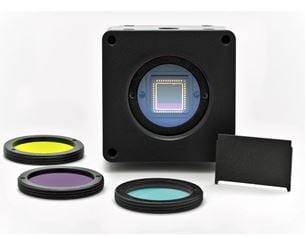
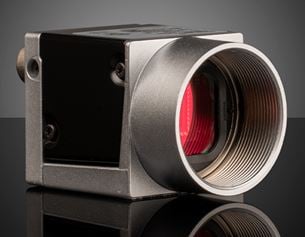 VIS-NIR Cameras
- Enhanced sensitivity from 400-1000nm
- Multiple sensor formats and interfaces for flexible integration
- Optimized for imaging in low light conditions and through NIR-transmissive materials
VIS-NIR Imaging Lenses | 查看所有
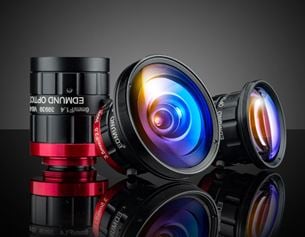 C系列VIS-NIR定焦鏡頭
 TECHSPEC®組件由愛特蒙特光學設計、指定或製造。進一步瞭解
Top Seller
- 高達⅔",C接口鏡頭
- 高達750萬像素,2.8µm像素大小的感光元件
- 用於425-1000奈米波長範圍的緊湊型(C)寬頻鏡頭
- 3.5毫米至50毫米焦距
VIS-NIR Illumination | 查看所有
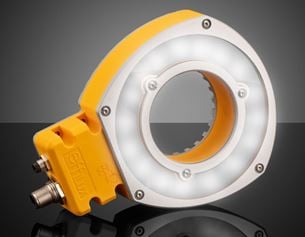
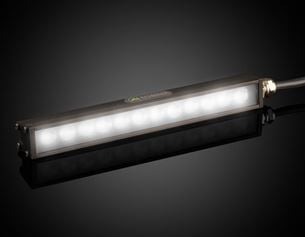
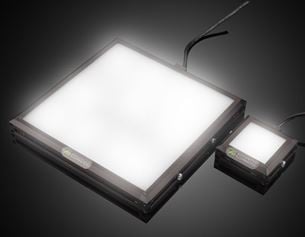
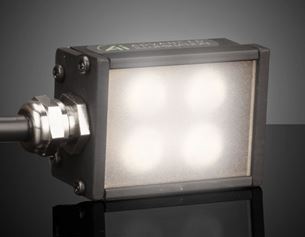
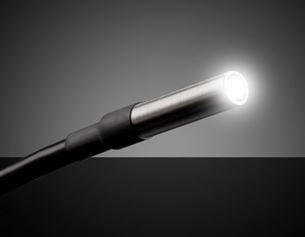 Advanced Illumination MicroBrite™ 聚光燈
- 相容於 8mm 或 1/4 吋 (0.312 吋) 光纖照明連接埠
- IP65 級 - 提供防灰塵及防噴水的保護效果
- 使用壽命達 50,000 小時

VIS-NIR Filters | 查看所有
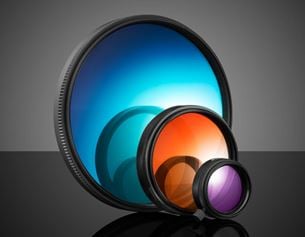 已封裝版機器視覺濾光片
- 為配合常用LED一起使用而進行了優化
- 提供便於系統相容的多種安裝尺寸和螺牙規格
- 穿透率 ≥85%
- 另有TECHSPEC®高性能已封裝版機器視覺濾光片 和 已封裝版有色濾光片 可供選擇
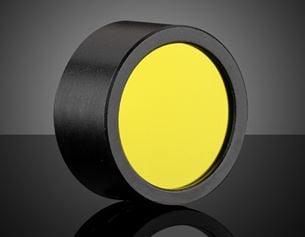
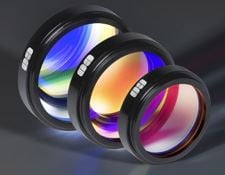
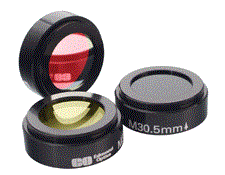 M25.5 and M30.5 Mounted Neutral Density Filters
TECHSPEC®組件由愛特蒙特光學設計、指定或製造。進一步瞭解
M25.5 and M30.5 Mounted Neutral Density Filters
TECHSPEC®組件由愛特蒙特光學設計、指定或製造。進一步瞭解
- VIS and NIR ND Filters, Mounted for Imaging Lenses
- Variety of Optical Densities
- Stack Filters Together for Custom Transmission Profiles
or view regional numbers
QUOTE TOOL
enter stock numbers to begin
Copyright 2023, Edmund Optics Inc., 14F., No.83, Sec. 4, Wenxin Road, Beitun District , Taichung City 406, Taiwan (R.O.C.)
Privacy Policy | Cookie Policy | Terms & Conditions | Accessibility
California Consumer Privacy Act (CCPA): Do Not Sell My Information
The FUTURE Depends On Optics®